
Home Services · SEO
This is for owners of home service businesses who are tired of buying leads and want the work to come from search instead. We tune your site, your Google Business Profile and your service pages, then watch the numbers month to month. You get a report every month that says what moved.


Trustpilot

SEO for home services is the ongoing work of getting your company to show up when someone nearby searches for the job you do. It covers your website pages, your Google Business Profile, the links pointing at your site, and the technical health of the site. We handle all of it.
In short
Nobody shops around when water is coming through a ceiling. They search, they look at the first few names near them, and they call. Local search is where that call starts, and it is where your company needs to be standing.
Search traffic lands on your site and dials your phone number. There is no shared lead and no fee for every name on top of the job you just did. The customer was looking for a contractor and found yours.
This is not a switch you flip. Each monthly pass tightens the pages that are close to ranking and fixes what is holding the rest back. Month six starts from everything the months before it put in place.
One page cannot match every job in every area you cover. When a homeowner in a specific town searches for one specific job, there is a page on your site written for exactly that. That page has a call button at the top.
Five pieces of work, every month, on one plan.
The content of each page tuned for its keywords. Your search visibility and ranked keywords are watched month to month, Google's changes are followed, and the pages sitting just outside the results you want get pushed further.
Your Google listing is checked so it is live and correct. The links pointing at your site are watched for new ones, lost ones and their quality. We also confirm the right service area is targeted and that Google is crawling the site.
Load speed, mobile display, SSL, redirects and the sitemap. We check that no page is hidden from Google by mistake, keep schema.org structured data in place, and read Search Console for crawl and security errors.
Set up and kept accurate, so your business name, address and phone number match what is on your site. Categories, service area and hours stay current instead of drifting out of date.
Traffic, keyword rankings, links and site health in one place, written so you can read it between jobs. At the bottom it says what we are doing next and why.
You show us your trade, the towns you cover and where the leads come from now. We show you the system and answer what you ask.
Your site, your service pages, your town pages and your Google Business Profile, all set up while you keep working.
We walk you through the system, where the calls and texts land, and how to use it day to day.
On-site, off-site and technical SEO carry on, the profile stays accurate, and the report lands every month. No contracts.
Five steps between a homeowner typing a problem and your phone ringing.
The search
Someone nearby types the job and the town into Google search.
The map results
Google shows profiles close by. Your Google Business Profile has to be live, accurate and complete.
Your page on the phone
They tap through to the page for that service in that town. It loads fast or they leave.
The call or the form
Call button at the top, short quote form underneath. Nothing else in the way.
The follow-up
Missed the call? The caller gets a text. New lead from the form? The text goes out automatically.
When a homeowner has a leak, a dead furnace or a branch through the roof, they pull out a phone and type the job and the town into Google search. What comes back is a map with a few local businesses on it, then the blue links underneath. Both are worth winning. Neither happens by accident.
Google explains the map part on its own help page. Local results are based mainly on relevance, distance and prominence: how well your listing matches what was typed, how close your company is to the person searching, and how well known your company is. The same page says there is no way to request or pay for a better spot in local results.
The blue links under the map run on the rest of the search machine. Google describes three stages: crawling, indexing and serving. Crawlers find the page, the index stores it, and the serving step picks what to show when somebody searches. Google also says it makes no promise to crawl, index or serve any page.
So the job has two halves. Be the obvious match for a nearby homeowner, and be easy for search engines to read. A page nobody can crawl will not show up in search results no matter how well it is written. Our SEO work covers both halves at the same time, every month.
For a lot of jobs, your Google Business Profile is the first thing a homeowner sees. Not your homepage. A card with your business name, your rating, your hours and a call button on it.

We set that profile up and keep it accurate. That means:
That last one matters more than it sounds. When your details do not match across the web, you are asking Google to work out whether two listings are the same company. Google's own local ranking guidance puts complete, accurate information under relevance, and relevance is one of the three things local results run on.
Then there is the part only you can do. Post the jobs you finish. Answer the questions that come in. Reply to reviews, good and bad, because reviews feed prominence. If you are not sure what to put up, here is what to post on your profile. Potential customers read all of it before they dial, so the profile is doing sales work whether you touch it or not.
One homepage cannot carry a whole trade across a whole county. If you sell six services in nine towns, a homeowner searching for one job in one town is reading a page written for everybody and nobody.

So we build it the other way round. Each service gets its own page. Each town gets its own page. Each page is written around the words people use for that job in that place, with the call button at the top and a short quote form underneath. That is what a functional website is for: not a brochure, a tool for lead generation.
Those pages do a second job too. They tell Google what your local business actually does, in your own words, instead of leaving it to guess from one line on the homepage. They also give you somewhere solid to send the people who tap through from your profile.
What goes on them depends on the work you sell. We do this across the trades we work with, and the detail changes with each one. Drain jobs and water heaters for SEO for plumbers. Storm damage and full replacements for roofing SEO. Panel upgrades and emergency call-outs for electrician SEO. Home service businesses in different trades need different pages, even when they work the same street.
A lot of people looking for a contractor are on a phone, standing in the room with the problem. If your page takes too long to open, they are back in the results looking at the next name before it loads.
So we handle the plumbing under the site:
Google publishes the baseline for all of this in Search Essentials, which covers the technical requirements, the spam policies and the best practices behind content that can appear and perform in Google Search.
We also keep schema.org structured data in place. Google's LocalBusiness documentation says to define each business location with that markup, which is how search engines read your hours, address and service area as facts instead of as text on a page.
None of this is only about ranking. A page that opens fast and fits the screen is easier to call from. There is more on that in our contractor website tips.
Off the site, three things get watched every month.

The listing. We check it is live and correct, and that nobody else has quietly edited it. Your name, address and phone stay the same on the profile as they are on the site.
The links. We watch the links pointing at your site: new ones, lost ones, and whether the quality is any good. Be clear on what that is and what it is not. We report on links. We do not sell link building as a service. Local links tend to turn up on their own when you sponsor a team, join a trade body or get written about in the local paper, and the report tells you when one appears or disappears.
The reviews. Reviews feed prominence, and prominence is part of how search rankings on the map are worked out. Reviews come from finished jobs. Our review funnel texts your customer a link after the work is done, and that is the whole mechanism. The longer version is here: getting more reviews.
Together, those three are what the rest of the web says about your company, and keeping them tidy is the off-site half of the monthly work. Our guide to local SEO for contractors walks the same ground in more detail.
Every month you get a report. Not a wall of charts you have to decode. Five things:
Behind the report the rhythm is the same every month. We watch your search visibility and your ranked keywords, follow the changes Google makes, and spend the month on the pages sitting just outside where you want them. A small push on a page that is close does more than a big push on a page that is nowhere.
Nobody can hand you a position or a date, and search engines do not take orders. What we can tell you is that the work builds. Each month starts from the pages, the fixes and the profile work already done, and the report shows the movement in plain numbers so you are not taking our word for it.
Read it between jobs. If a line in it does not make sense, ask us and we will explain what it means for your company.
Search work puts calls in your phone. What happens next decides whether they turn into jobs, and that part is not SEO.
So the search work sits inside the rest of the system we build for contractors. When you cannot pick up, the caller gets a text instead of silence, which is the difference between a missed call and a lost job. There is more on that here: missed call automation. Every new lead from a form gets a text back automatically. Texts, calls and messages land in one inbox, so nothing sits unanswered on somebody's personal phone.
It is worth holding that next to how bought leads work. A bought lead is shared with other companies, it arrives whether it suits you or not, and the next one works the same way. We wrote about that in contractor lead generation companies. Pages you own keep working after you stop paying for clicks, and the profile you keep accurate keeps showing up in local search.
No contracts, either way. You see the whole system on a demo call, then you decide what you want switched on.
See everything we do to help you grow your business so you can implement it yourself or let us do it for you.
Book A Call

Demo Call
(20 mins)
It's actually a sales call, we just didn't want to scare you. But seriously... we'll answer all your questions, show you any features you have questions about, and show you live client accounts & results.
We build your system
(7-10 days)
Fill out a basic onboarding form with your business details. After we have the correct information, we'll get to work on building your new website & marketing system.
Launch Call
(25 mins)
We'll walk you through your new website & marketing system, answer any questions you have, and show you how "everything" works... And by everything, we’re really just talking about pressing two buttons.


"Highly recommended, they are here to help us contractors that don't like to deal with the website stuff. It feels like you have partner looking out for you that's actually helping you succeed."
-Adam
See All

"I've been working with stonesystems for the last few months and it's been absolutely amazing. If you're out there and you need someone that's gonna be there for you... we love working with stonesystems"
-Dale
See All
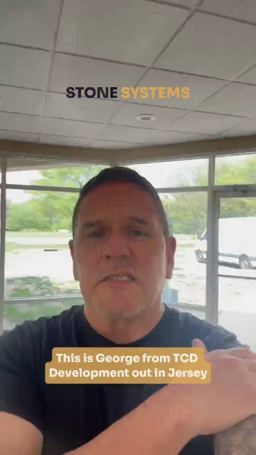
"Shoutout to Kai and Remy for an amazing job that they did doing my website. I've been a pain in the butt every now and then but they did it right. Check them out, you won't be dissapointed."
-George
See All

"If you are looking for someone to get that phone ringing, they're the right fit for you! I'm so happy with them!"
-Cody
See All

"They are the absolute best at what they do. They built me a new website and within 10 day's I got my first unpaid for Lead! Best money spent with Kai and StoneSystems"
-Armando
See All

"After going through 2-3 other people i finally found someone that told me the truth. Really easy to work with and very respectable. I would recommend them to anyone!"
-James
See All

"Ever since he implemented the new website and landing pages, it's been nothing but great and our conversion has gone way up. We started getting calls almost immediately."
-Manny
See All

"Getting 5 star reviews has always given me anxiety, Kai and his team have taken all that away and I have seen a significant increase in business since I started working with them. I would recommend them to anyone!"
-Wendy
See All

"Nothing but professional and awesome in every way, they are absolutely great to work with"
-Netane
See All

"I would highly recommend going with Stone Systems, my business has ramped up, literally overnight and their prices are very affordable. Feel free to reach out to me personally with any questions about them!"
-Frank
See All

"I've seen a significant improvement in my business. Stone Systems has made my life so much easier!"
-David
See All

"Thank you to Kai and Stone Systems , our company finally has the web presence it needs and our sales and profits have grown significantly! We look forward to working with them for many years to come!"
-Rick
See All

"Their business marketing systems have helped us a lot. Anytime I need anything I can always give them a call. They're super helpful with everything they do, I would recommend them to anybody"
-Luckie
See All

"Before I started working with Stonesystems I was paying $1500/month with another service that just was not working for me. Stonesystems is super affordable and they do a fantastic Job!"
-Lopaka
See All

"It's been great and all I needed was one sale a month to pay for the service. Since I signed up i've gotten quite a bit more than that. I would recommend them to anyone!"
-Adam
See All

"They made me a brand new website, super professional and it's been absolutely amazing. I cannot say enough good things about theme. It turned those 100s of viewers into 100s of clients!"
-Mason
See All

"First i thought it was a scam, but then it turns out they're just a really good company at a really good price. I would recommend them to anyone!"
-Matt
See All

"They've made it so easy with all their automations and the awesome website. I can't thank them enough and you should all definitely check them out"
-Ryan
See All

"He really got everything going well. I'm getting organic leads now that don't cost me any money. I would recommend them to anyone!"
-Scott
See All

"Big shoutout to Kai and Stone Systems for helping me with my website and getting me more leads. I would recommend them to anyone!"
-Zach
See All
